UX Psychology: Creating High-Trust Landing Pages
Exploring the cognitive biases that drive user conversion and how to utilize them ethically in SaaS design.
Every interaction a user has with your landing page triggers unconscious psychological responses. Understanding these cognitive biases — and using them ethically — is the difference between a page that feels transactional and one that establishes immediate architectural trust.
The first principle is social proof, and it's more nuanced than slapping testimonials on a page. The most effective social proof is specific and relatable. 'Trusted by 10,000+ companies' is weak. 'Used by 847 visionary brands including Vanguard and Casablanca Studio' is powerful because it's precise and recognizable.
Anchoring should be used for value, not just cost. By presenting the full technical scope and long-term ROI of a project first, you set a reference point for the quality required. This ensures the conversation starts with 'How can we achieve this?' rather than 'How much does it cost?'
Loss aversion is twice as powerful as the desire for gain. Instead of saying 'Improve your performance by 20%,' say 'You're losing 20% of your potential revenue every day through technical debt.' The framing shift is what drives decisive action.
The paradox of choice is solved by curation. Every additional option on your path-to-conversion reduces the likelihood of any action. We've consistently seen engagement increase when we provide a singular, clear project builder or consultation path rather than a buffet of generic tiers.
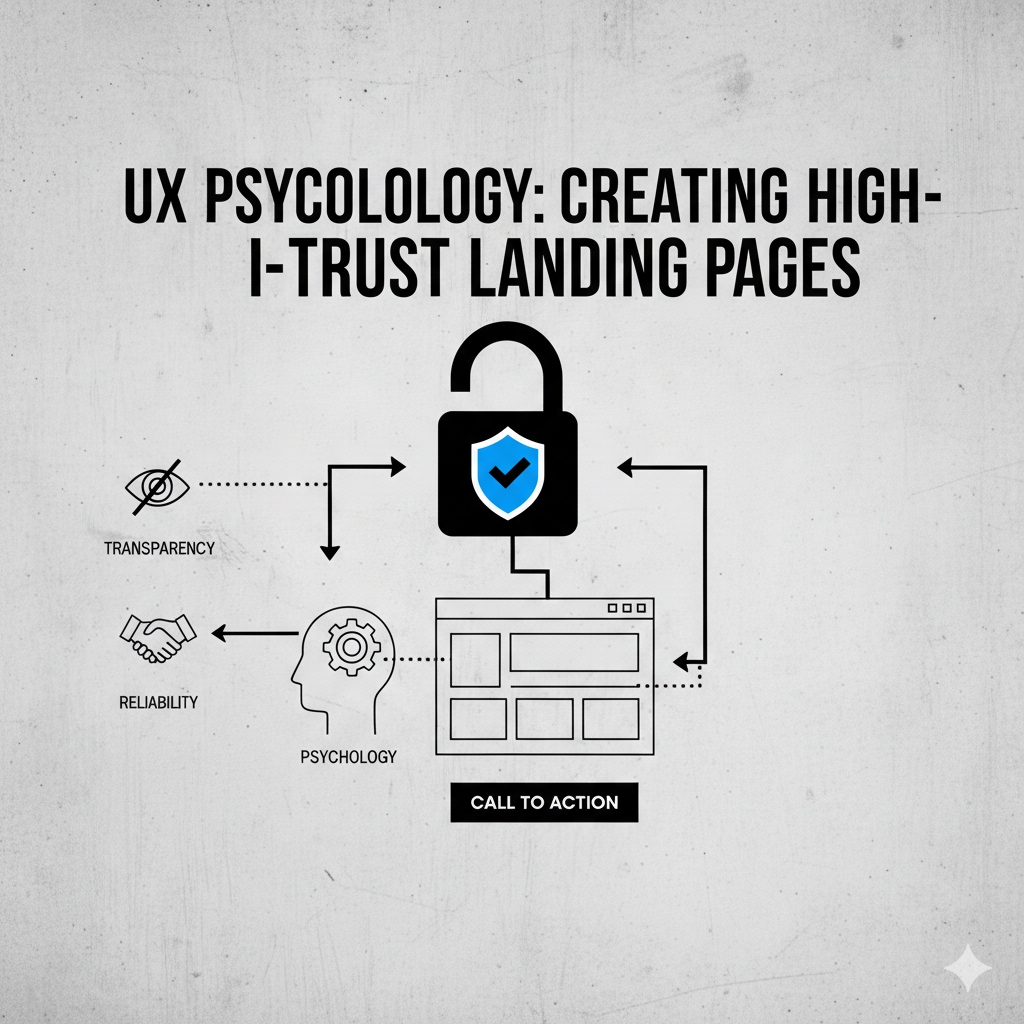
Trust signals must be earned, not assumed. Performance audits, security shielding, and 'as seen in' engineering journals only work when they're genuine. A clear, honest explanation of our architectural protocol builds more trust than any badge. Uncertainty is the enemy of partnership.